“الفيفا” يضع إسبانيا في مأزق بشأن خططها لكأس العالم 2030
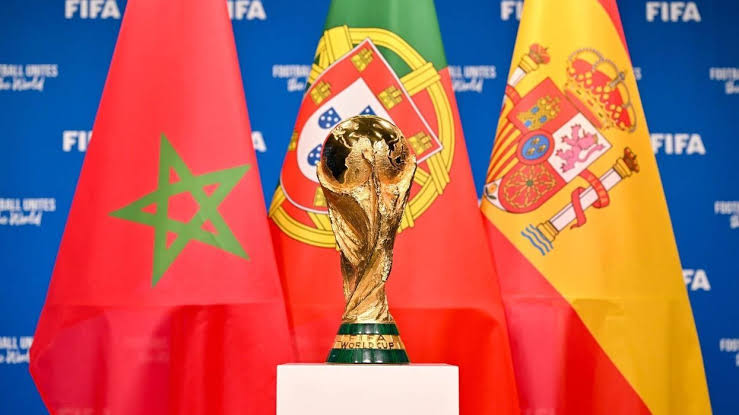
تواجه التحضيرات الإسبانية لاستضافة نهائيات كأس العالم 2030 مأزق تنظيمي، بعدما كشف الاتحاد الدولي لكرة القدم بإمكانية تقليص عدد المدن المستضيفة للبطولة التي تتشارك إسبانيا في تنظيمها مع المغرب والبرتغال، وبحسب التقارير فإن المراجعات اللوجستية والفنية الجارية داخل أروقة الفيفا تضع الملف الإسباني في موقف حرج للغاية وتجعله الحلقة الأضعف بين الدول الثلاث المنظمة.
وتعود جذور الأزمة إلى حالة عدم الاستقرار التي ضربت قائمة الملاعب الإسبانية منذ تقديم الملف المشترك، حيث اضطرت مدينتا ملقا ولاكورونيا إلى الانسحاب رسميًا من سباق الاستضافة نتيجة الأعباء المالية وصعوبة إنجاز أعمال التطوير المطلوبة في ملعبي لا روساليدا ورياثور، وهو ما دفع مسؤولي الكرة في إسبانيا إلى التحرك سريعًا لترشيح مدينتي فالنسيا بملعبها نو ميستايا وفيغو بملعبها بالايدوس لتعويض هذا الغياب، بانتظار الضوء الأخضر النهائي من الفيفا لاعتماد البديلين.
ولم تتوقف المتاعب الإسبانية عند هذا الحد، إذ كشف رئيس الاتحاد الإسباني لكرة القدم رافائيل لوزان عن رفض الفيفا مقترح السلطات الباسكية القاضي باعتماد الإقليم كمدينة استضافة واحدة تضم ملعبين معًا، وهما سان ماميس في بيلباو وأنويتا في سان سيباستيان، حيث اشترط الاتحاد الدولي على الجانب الإسباني حسم الاختيار بين إحدى المدينتين فقط بدلًا من صيغة الاستضافة المشتركة، الأمر الذي يضع الاتحاد أمام مفاضلة صعبة ستنتهي حتمًا بإقصاء أحد الملعبين العريقين من حسابات المونديال.
وتشير تقارير إعلامية إسبانية إلى أن أي قرار رسمي يصدر عن الفيفا بتقليص خارطة المدن المستضيفة لضمان أعلى درجات الجاهزية الفنية، سيلقي بظلاله الثقيلة على إسبانيا وحدها تقريبًا، نظرًا للتخبط والتغييرات المتلاحقة في قائمتها، على عكس الملفين المغربي والبرتغالي اللذين حافظا على ثباتهما واستقرار عدد مدنهما منذ البداية دون أي تعديلات تذكر.
وبات الاتحاد الإسباني مطالبًا بالتحرك على جبهتين متوازيتين في وقت ضيق، فمن جهة يسعى لإقناع الفيفا باعتماد فالنسيا وفيغو سدًا لفراغ ملقا ولاكورونيا، ومن جهة أخرى يتعين عليه فض الاشتباك في إقليم الباسك بين بيلباو وسان سيباستيان، بينما تبقى الكلمة الأخيرة بيد الاتحاد الدولي لكرة القدم الذي سيحسم قريبًا الشكل النهائي للملاعب والمدن المعتمدة في مونديال 2030.
إقرأ أيضاً.. رابطة البريميرليج تكشف رسميًا عن موعد انطلاق الموسم الجديد 2027/2028
Spain’s preparations to host the 2030 FIFA World Cup are facing an organizational crisis after FIFA revealed the possibility of reducing the number of host cities for the tournament, which Spain is co-hosting with Morocco and Portugal. According to reports, ongoing logistical and technical reviews within FIFA place the Spanish bid in a highly awkward position, making it the weakest link among the three organizing nations.
The roots of the crisis trace back to the instability that has plagued Spain’s list of stadiums since the joint bid was submitted. The cities of Málaga and A Coruña were forced to officially withdraw from the hosting race due to financial burdens and difficulties in completing the required renovation works at La Rosaleda and Riazor stadiums. This prompted Spanish football officials to move quickly to nominate Valencia, with its Nou Mestalla stadium, and Vigo, with its Balaídos stadium, to compensate for this absence, pending final green-light approval from FIFA to endorse the two replacements.
Spain’s troubles did not stop there. The President of the Royal Spanish Football Federation (RFEF), Rafael Louzán, revealed that FIFA rejected a proposal by Basque authorities to accredit the region as a single host city encompassing two stadiums together: San Mamés in Bilbao and Anoeta in San Sebastián. Instead, the international governing body stipulated that the Spanish side must make a decisive choice between only one of the two cities rather than a joint-hosting formula. This puts the federation in a difficult dilemma that will inevitably end with the exclusion of one of these two historic stadiums from World Cup contention.
Spanish media reports indicate that any official decision issued by FIFA to downsize the map of host cities to ensure the highest levels of technical readiness will cast its heavy shadow almost exclusively on Spain. This is due to the confusion and successive changes in its list, in contrast to the Moroccan and Portuguese bids, which have maintained their stability and a consistent number of cities from the outset without any notable modifications.
The Spanish Federation is now required to act on two parallel fronts within a tight timeframe: on one hand, seeking to convince FIFA to approve Valencia and Vigo to fill the void left by Málaga and A Coruña; on the other hand, resolving the deadlock in the Basque Country between Bilbao and San Sebastián. Meanwhile, the final word remains in the hands of FIFA, which will soon determine the final lineup of approved stadiums and cities for the 2030 World Cup.
Read also.. Premier League Officially Reveals Start Date for the New 2027/2028 Season
قد يهمك ايضاً
- بوابة العودة إلى الليجا.. عرض إسباني مفاجئ ينقذ “تير شتيجن” من جحيم برشلونة
- ريال مدريد يؤمّن عرينه ويجدد عقد تيبو كورتوا رسمياً حتى عام 2028
- تعرف علي نتائج قرعة ربع نهائي دوري الأمم الأوروبية 2026/2027
- الضحية المفضلة لـ لامين يامال.. أرقام استثنائية يتسلح بها قبل مواجهة فياريال
- تطورات مثيرة في الهلال.. هل حسم إنزاجي مصير سافيتش بالرحيل؟