عرش إفريقيا في المحكمة.. صراع اللوائح يهدد لقب السنغال ويشعل آمال المغرب
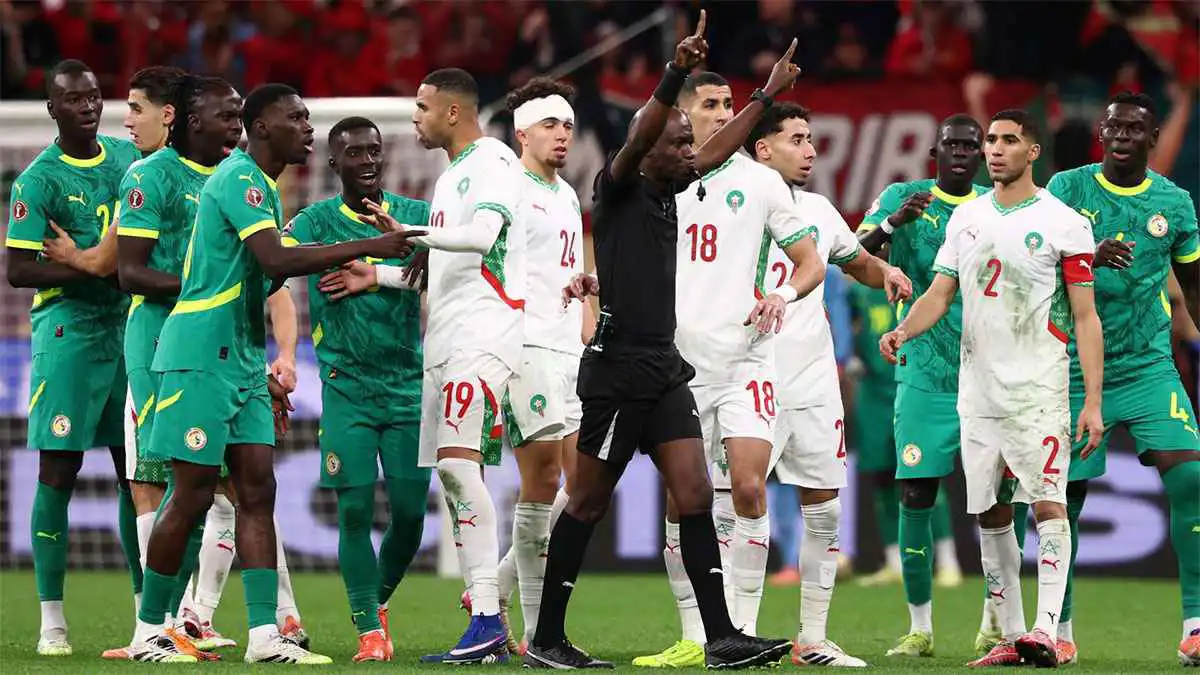
تقف الكرة الإفريقية أمام منعطف تاريخي حاسم داخل أروقة محكمة التحكيم الرياضية “كاس” في لوزان السويسرية، حيث يُعاد فتح ملف نهائي كأس أمم إفريقيا 2025 لحسم النزاع القانوني المعقد بين المغرب والسنغال، والذي جعل هوية بطل القارة معلقة لأشهر طويلة خارج المستطيل الأخضر.
وتنعقد جلسة الاستماع المغلقة أمام هيئة تحكيم ثلاثية تضم خبراء من فرنسا وإيطاليا وألمانيا، في مواجهة تجمع ممثلي الاتحادين المغربي والسنغالي بجانب مسؤولي الاتحاد الإفريقي “كاف”، ولكن المشكلة الأساسية التي تبحثها المحكمة تدور حول مصير الكأس: هل يظل التتويج من نصيب أسود التيرانجا الذين رفعوا اللقب فوق الميدان، أم تثبت المحكمة قرار كاف الذي منح البطولة لأسود الأطلس بقرار إداري؟.
وتعود جذور الأزمة إلى النهائي الذي احتضنه ملعب “الأمير مولاي عبد الله” بالرباط في يناير الماضي؛ فبينما كانت المواجهة تتجه نحو نهاية وقتها الأصلي بالتعادل، أعلن الحكم ركلة جزاء لصالح المغرب إثر العودة لتقنية الفيديو. أثار القرار اعتراضات حادة في المعسكر السنغالي، ودفع المدرب باب ثياو لاعبيه للانسحاب المؤقت من الميدان لتتوقف المباراة قرابة 16 دقيقة.
ورغم عودة الفريق وإهدار المغرب للركلة ثم تسجيل السنغال هدف الفوز في الوقت الإضافي والاحتفال بالدرع، إلا أن النزاع الحقيقي انطلق فور إطلاق صافرة النهاية، شهد الملف تحول جذري عندما نقضت لجنة الاستئناف في الكاف قرارات الانضباط الأولية، معتبرة واقعة خروج السنغاليين من الميدان خرقاً صريحاً للمادتين 82 و84 من اللائحة المنظمة للبطولة، وهو ما ترتب عليه اعتبار السنغال مهزومة بنتيجة ثلاثة أهداف دون رد وتجريدها من اللقب لصالح المغرب، وهو القرار الذي طعنت عليه السنغال أمام محكمة كاس لبطلانه من وجهة نظرها.
ويعتمد الدفاع المغربي في مرافعته على الحرفية الصارمة للنصوص القانونية، معتبراً أن مغادرة أي فريق لأرضية اللعب دون إذن مسبق من الحكم تستوجب الخسارة المباشرة، بصرف النظر عن تراجع اللاعبين لاحقاً أو استكمال الدقائق المتبقية، ويشدد الجانب المغربي على أن التهاون في مثل هذه الوقائع سيخلق سابقة خطيرة تهدد نزاهة البطولات القارية، إذ يمنح الفرق ذريعة لتعطيل المباريات اعتراضا على القرارات التحكيمية دون خشية العواقب.
وفي المقابل، يتمسك الاتحاد السنغالي بموقفه استناداً لقوانين هيئة البورد الدولية ومادتها الخامسة، التي تمنح الحكم السلطة المطلقة والنهائية في إدارة وقائع اللقاء وتحديد نتيجته، ويرى السنغاليون أن قرار الحكم بالسماح باستئناف اللعب حتى نهايته الطبيعية يمنع أي جهة انضباطية من تغيير النتيجة الميدانية بأثر رجعي، مشككين في صلاحية الكاف القانونية لتحويل فوز تحقق داخل الملعب إلى هزيمة إدارية.
إقرأ أيضاً.. حقيقة تحرك الأهلي لضم المهاجم الفلسطيني “أسد الحملاوي”
The African football stands in front of a decisive historical turn inside the corridors of the court of Arbitration for Sport “CAS” in Lausanne, Switzerland, where the file of the final of the 2025 Africa Cup of Nations is reopened to resolve the complex legal dispute between Morocco and Senegal, which made the identity of the continental champion suspended for months outside the green rectangle.
The closed hearing is held before a tripartite jury of experts from France, Italy and Germany, in the face of the gathering of representatives of the Moroccan and Senegalese federations next to the officials of the African Union “CAF”, but the main problem the court is considering revolves around the fate of the Cup: does the coronation still belong to the Lions of Tiranga who lifted the title above the field, or.
The roots of the crisis go back to the final hosted by the “Prince Moulay Abdullah” Stadium in Rabat last January; while the confrontation was heading towards the end of its original time with a draw, the referee announced a penalty kick in favor of Morocco after returning to video technology. The decision provoked sharp objections in the Senegalese camp, and coach Bab Thiaw prompted his players to temporarily withdraw from the field, stopping the match for about 16 minutes.
Although the team returned and Morocco wasted the kick, then Senegal scored the winning goal in extra time and celebrated the shield, but the real dispute started immediately after the final whistle, the file witnessed a radical shift when the CAF Appeals Committee overturned the initial disciplinary decisions, considering the fact of the Senegalese exit from the field a clear violation of Articles 82 and 84 of the regulations organizing the A cup for his heroism from her point of view.
The Moroccan defense relies on the strict professionalism of the legal texts, considering that any team leaving the playing ground without prior permission from the referee entails direct loss, regardless of the players ‘ subsequent retreat or completion of the remaining minutes, and the Moroccan side stresses that complacency in such incidents will create a dangerous precedent that threatens the integrity of the continental tournaments, as it gives teams a pretext to disrupt matches in objection to arbitral decisions without fear of consequences.
On the other hand, the Senegalese federation adheres to its position based on the laws of the international board and Article V, which grants the referee the absolute and final authority in managing the facts of the meeting and determining its outcome, and the Senegalese believe that the referee’s decision to allow the resumption of play until its natural end prevents any disciplinary body from changing the field result retroactively, doubting the legal competence of the CAF to turn a win achieved inside the stadium into an administrative defeat.
Read also.. The fact that Al-Ahli moved to include the Palestinian attacker ” Assad Al-hamalawi”